cinematic portraiture
Personal Work
Women are under-represented in most modern-day media, a mirror for the position of women in life. These projects show stories of becoming your own main character, struggling with all of these (sometimes) conflicting emotions, while breaking free of the roles the women that came before, were forced to play.
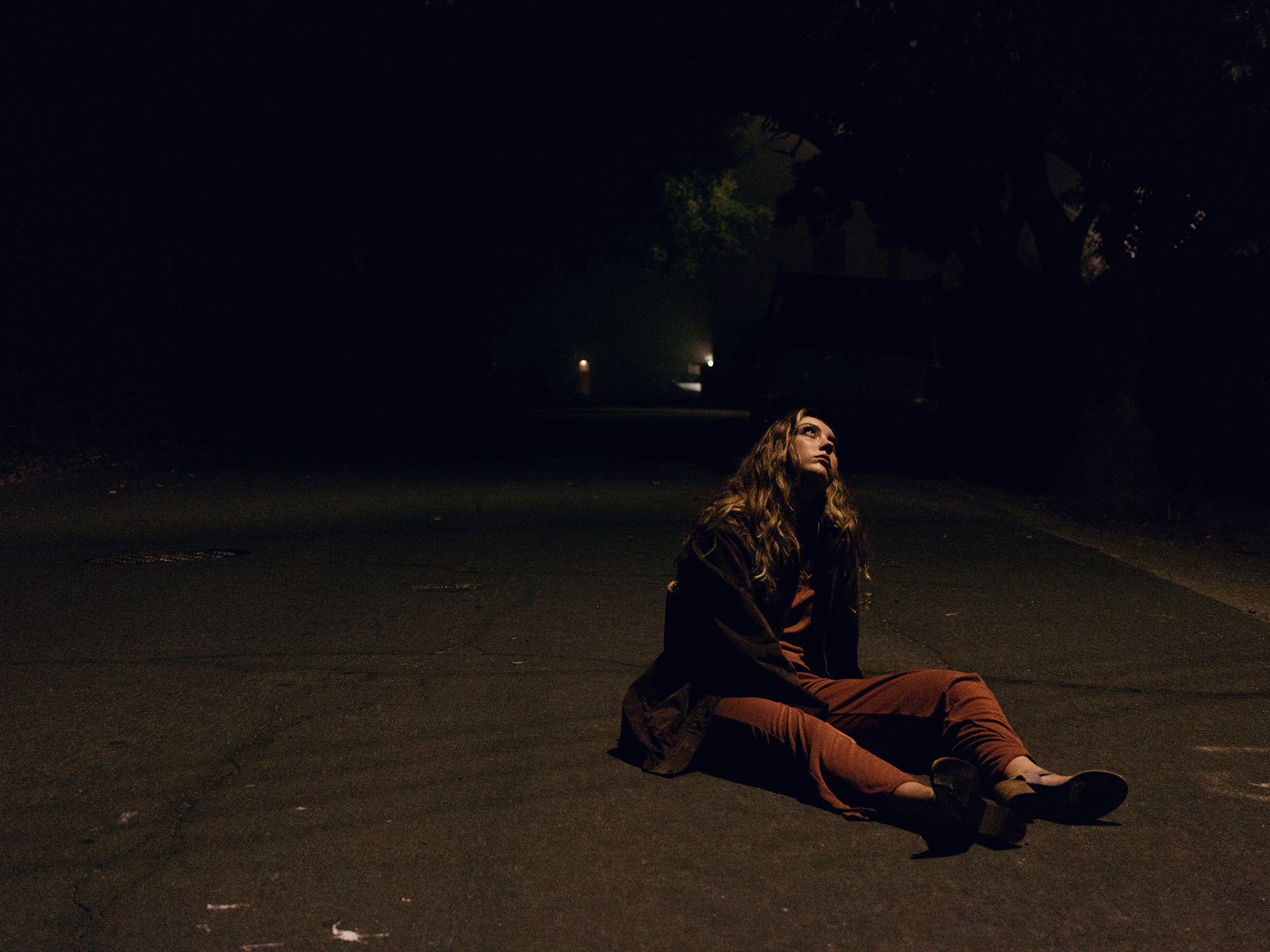
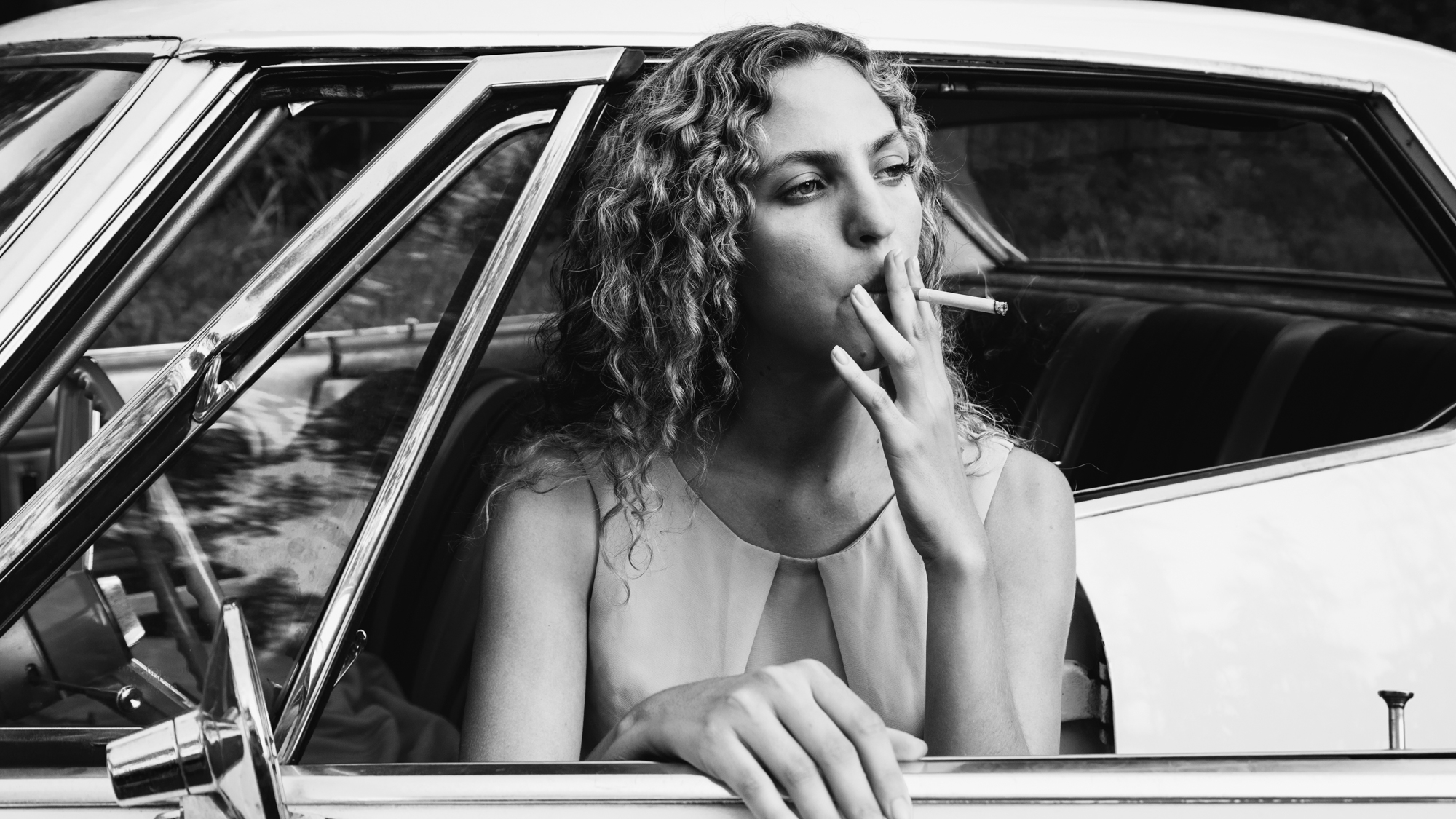
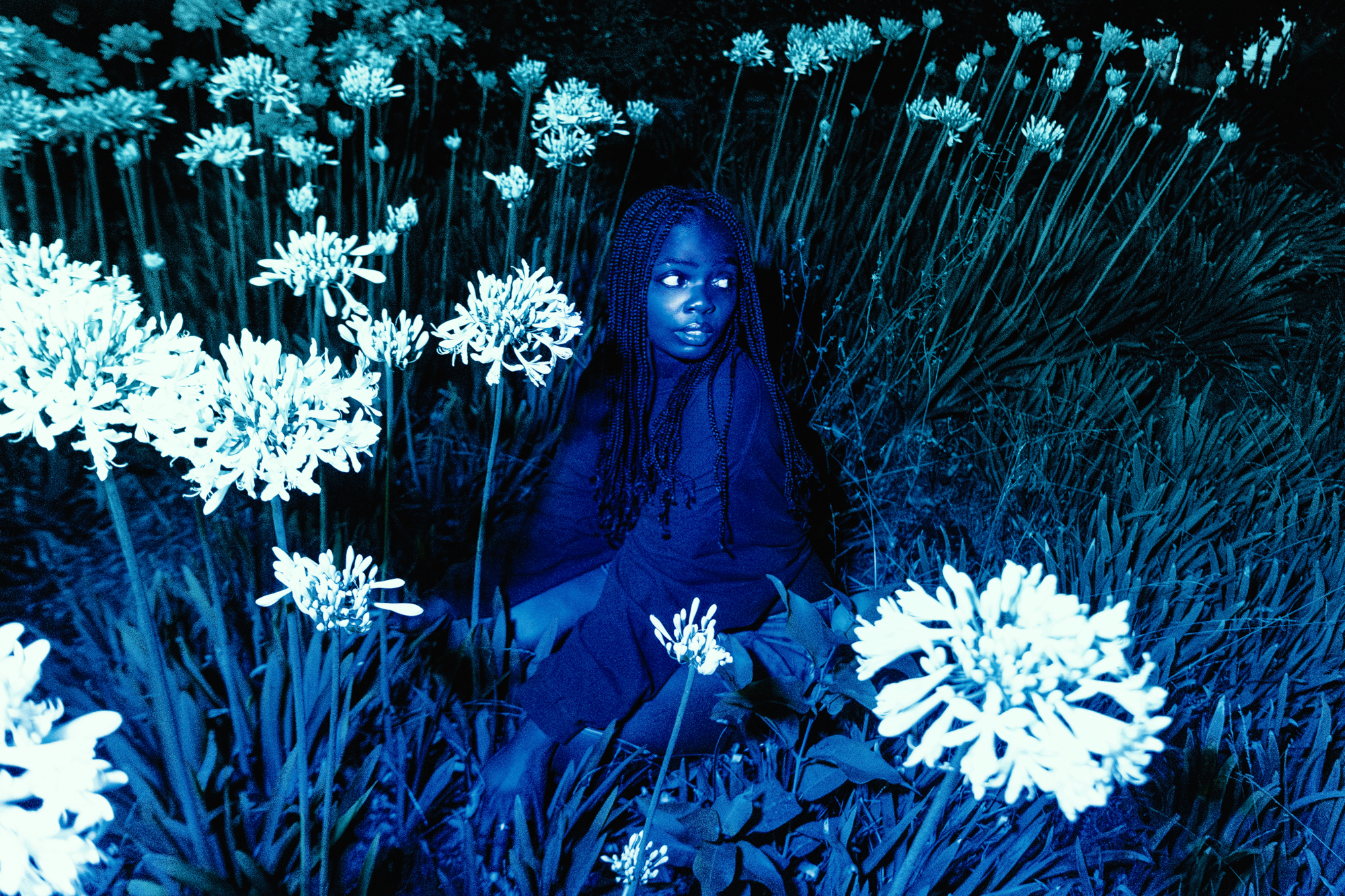
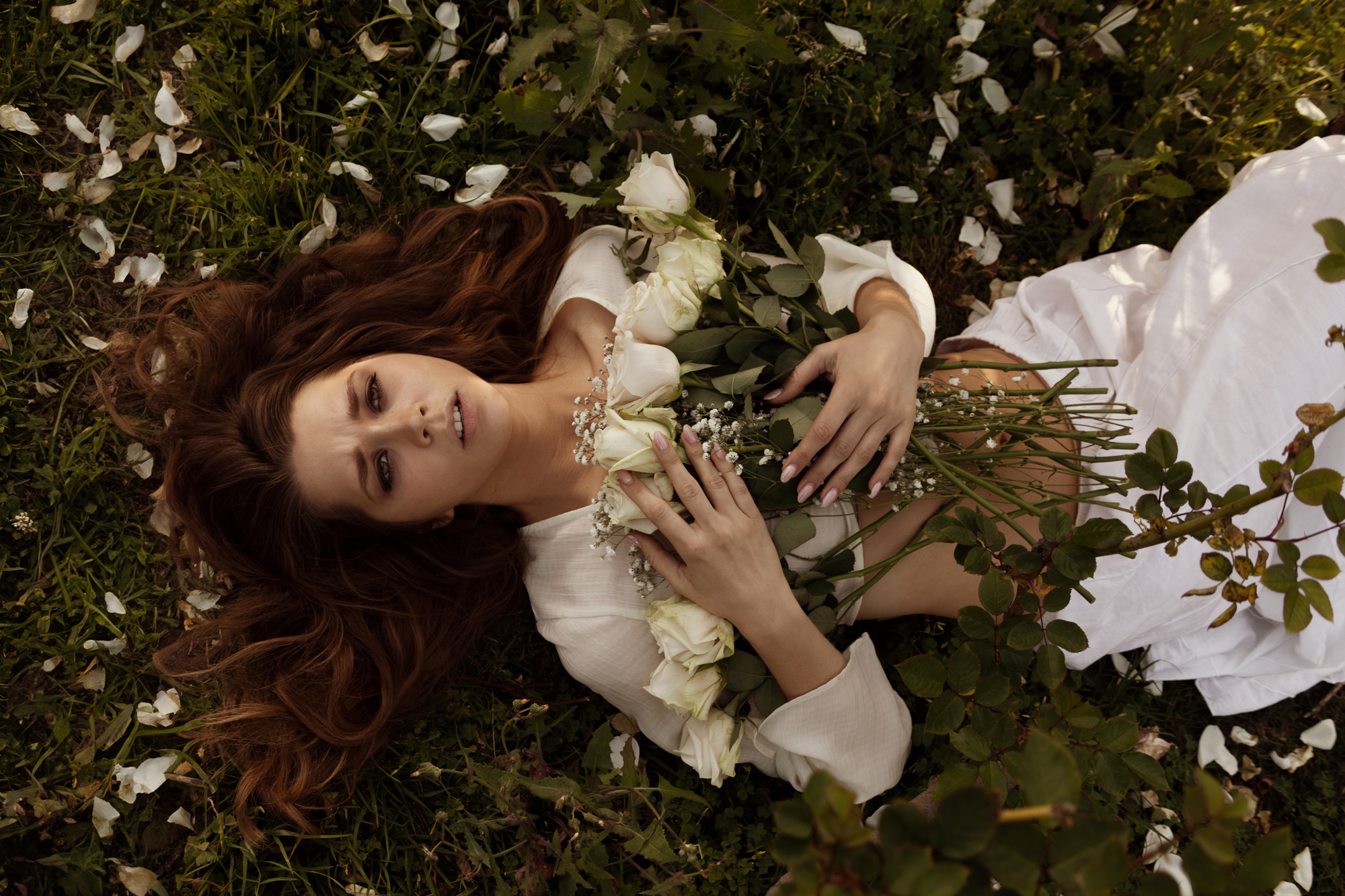
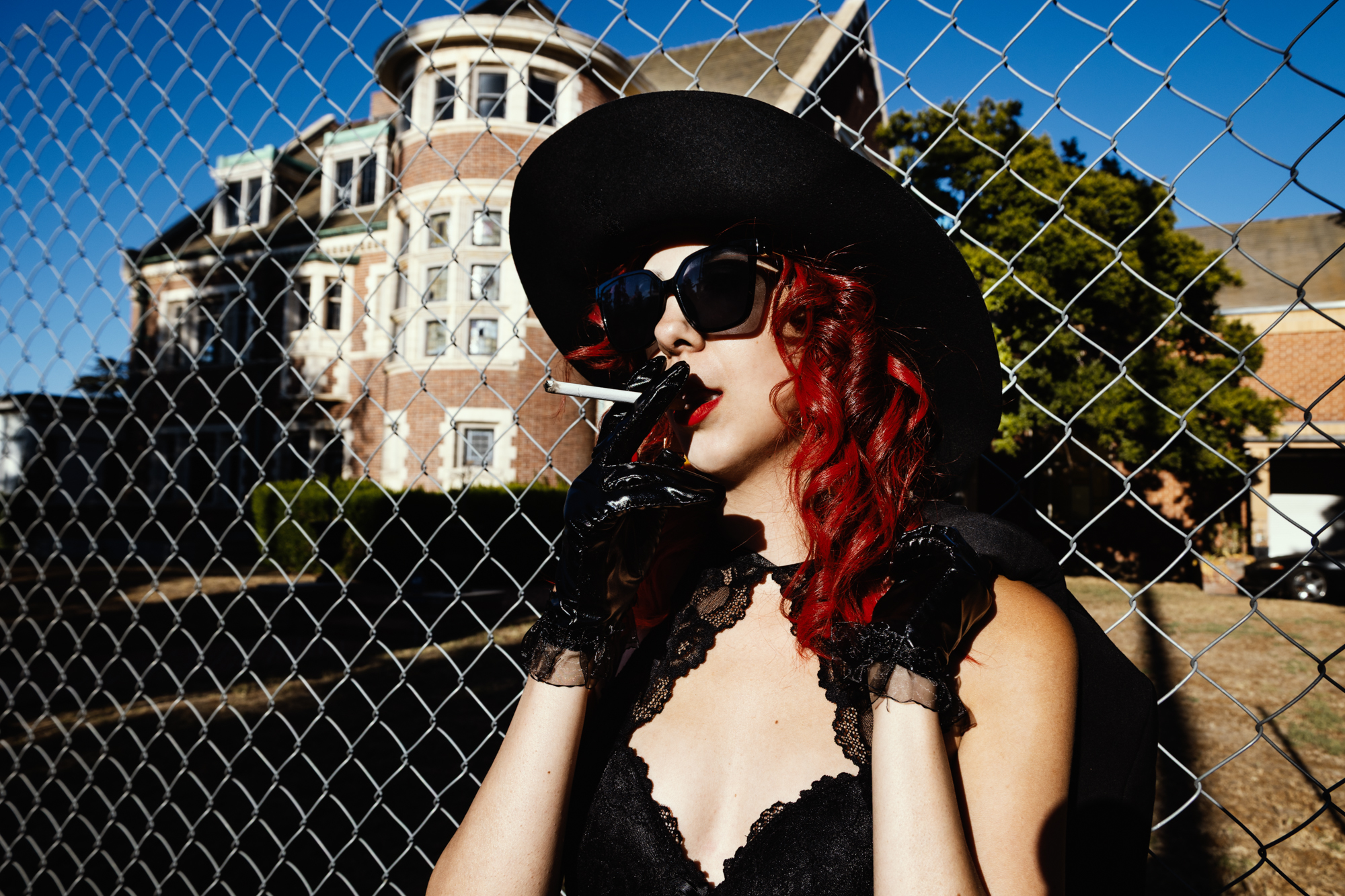
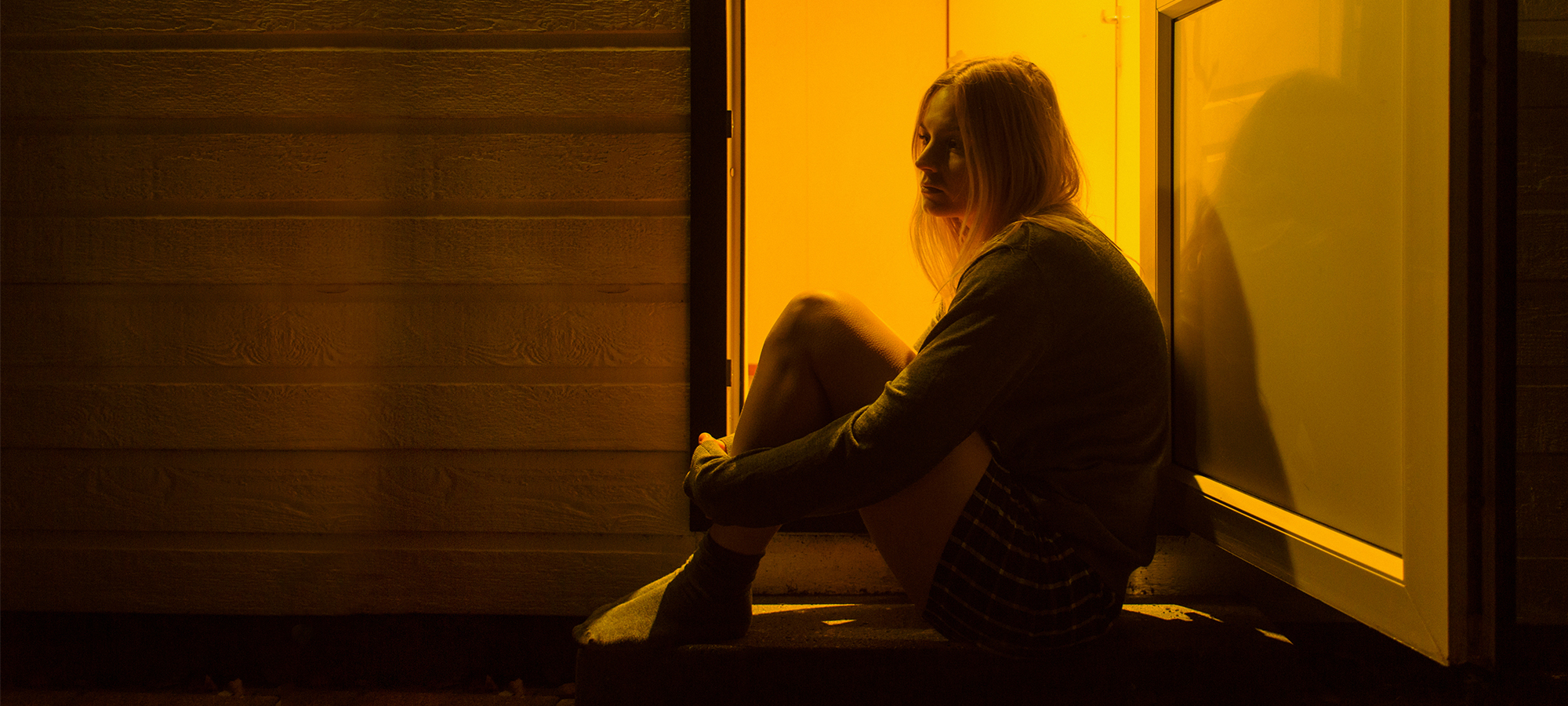
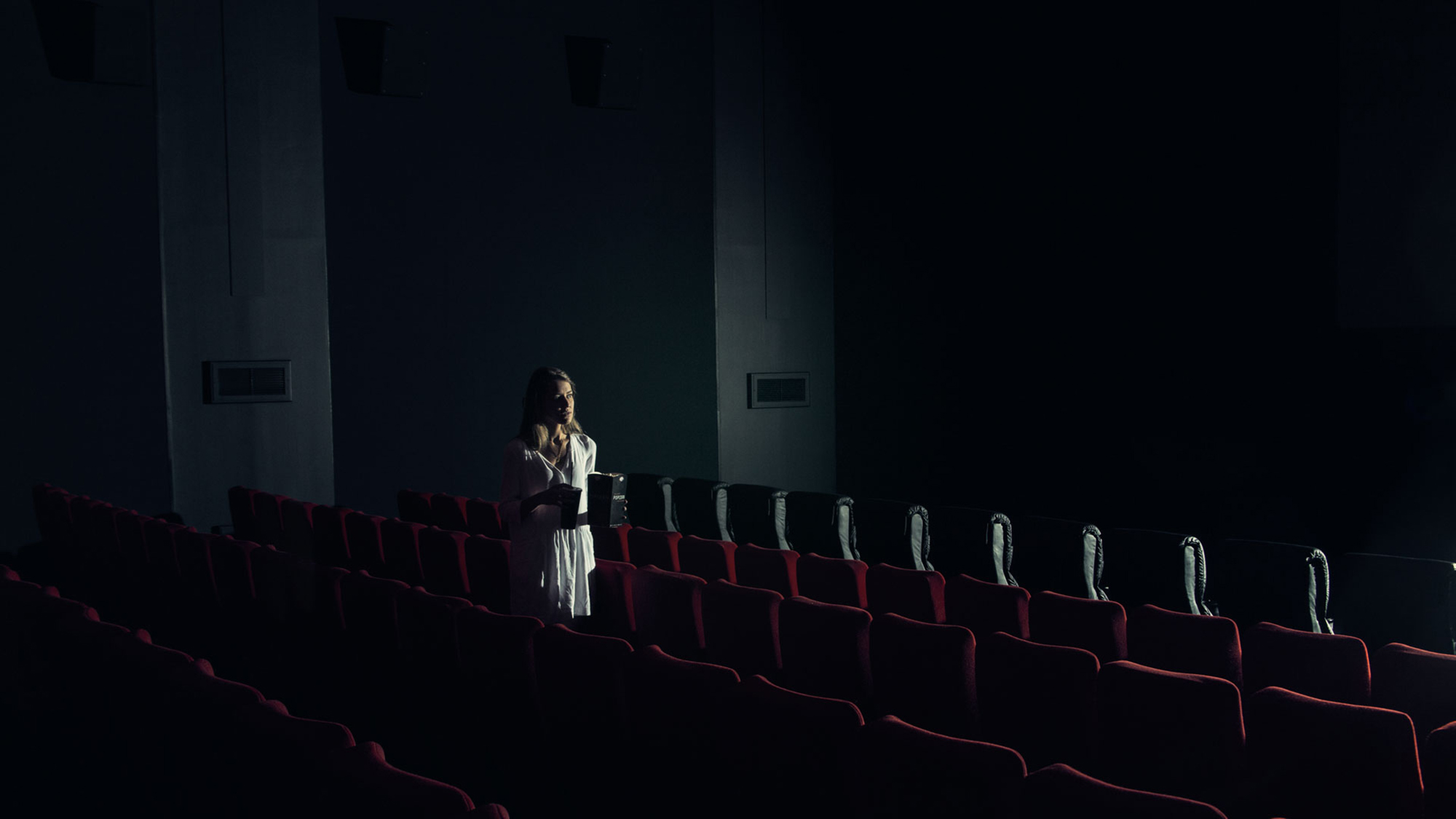
The cinematic portraits delve into themes of loneliness, introspection, and the complex emotions tied to unfulfilled aspirations, like for example anxiety and depression. The images often highlight moments of quiet reflection, where the (mostly female) characters grapple with the disconnect between the dream and reality. These works don’t just explore the darker sides of these experiences, but also seek out the silver lining.
A soliloquy is having a conversation with yourself, whilst alone or at the very least oblivious to anyone else present. This series is me talking to myself through these images. It’s a coming-of-age story about being alone and searching for an escape from the fast playing world. It’s like a pause in a movie. The escape from reality, the temporary freedom of finding this escape and losing it just as quickly, because of the inevitable return to reality.
The story is built up by the different escapes dealing with my own feelings, starting from being too scared to dive in, to having all this bagage to carry with me after the story ends. It stems from my own personal experiences of loneliness and depression, together with the feeling of being content with who I have become through this journey.
The water is so cold when you first get in, but after spending so much time in it, you find the outside is so much colder. I think it’s the same with friendships. I’m the kind of person to first watch from the outside, to try to find out how cold it’s actually going to be. Sometimes the water is freezing, sometimes it’s surprisingly warm. Either way, once you’re used to the climate, it’s difficult to step out again. I think that’s where my initial doubt comes from. I’ve been forced to go out of the pool too many times, so now I feel too fragile and cautious to dive in headfirst.
Striving to achieve the American Dream, but failing miserably. My generation, the millennial, is a very perfectionist one, and we experience a lot of pressure to achieve great things. We can be anything we want to be, but when you fail to achieve your goal, it’s no-one’s fault but your own. There’s a lot of depression, burn-outs, anxiety and other psychological complaints going around.
The American Dream isn’t just a American concept, it’s a global one. We see American imagery every day, through social media, TV, movies, magazines and more. These images follow us around, saying we need to strive to be like that. Under Pressure is about the perfect American images, but with a darker twist. It’s ok to not get to see your dream come true, it’s ok to not achieve the happy ending the movies told you about. It’s about being real in a fake world.

“Envy starts in the eyes and rots the heart”
She knows it isn’t a good color on her. This isn’t really who she is or wants to be, and she hoped the stench of it won’t stick to her too much. Just let her indulge it for a bit, let her go through what she feels so strongly. There’s two roads her envy can take her, and the wrong direction seems that much easier. She just has to go down it every now and then, to see where it leads, even if a dead end.
She hopes the green in her eyes doesn’t show too much, on days where the malice takes the reign. She fears her thoughts are too loud, speaking harm into existence somehow. She just wants what they have so much, that it simply spills over.
My grandma, the eldest daughter, raised her younger siblings, her trauma trickling down to her first child: my mom. Already straying from the usual path, she was allowed to go to university, still fairly uncommon for women then. Other women went to housekeeping school, trained for the role of wife/mother. While my mother broke free from that cycle, she still felt the pressure to appease her parents and environment. From a very young age, as the next eldest daughter in the family line, I knew I wanted to escape this small town, and was given the freedom to form my own identity.
Volendam is a very particular town that everyone in the Netherlands knows about, and it’s considered a closed community, with its own language and peculiar habits, almost like the Amish with an internet connection. It’s known for its tendency to want everything to be the same, stay exactly how it always was. First visible through the folk clothes worn for generations that became the symbol of Holland, it’s now mostly enforced through social norms, with sayings like “tall trees catch more wind” followed almost religiously.
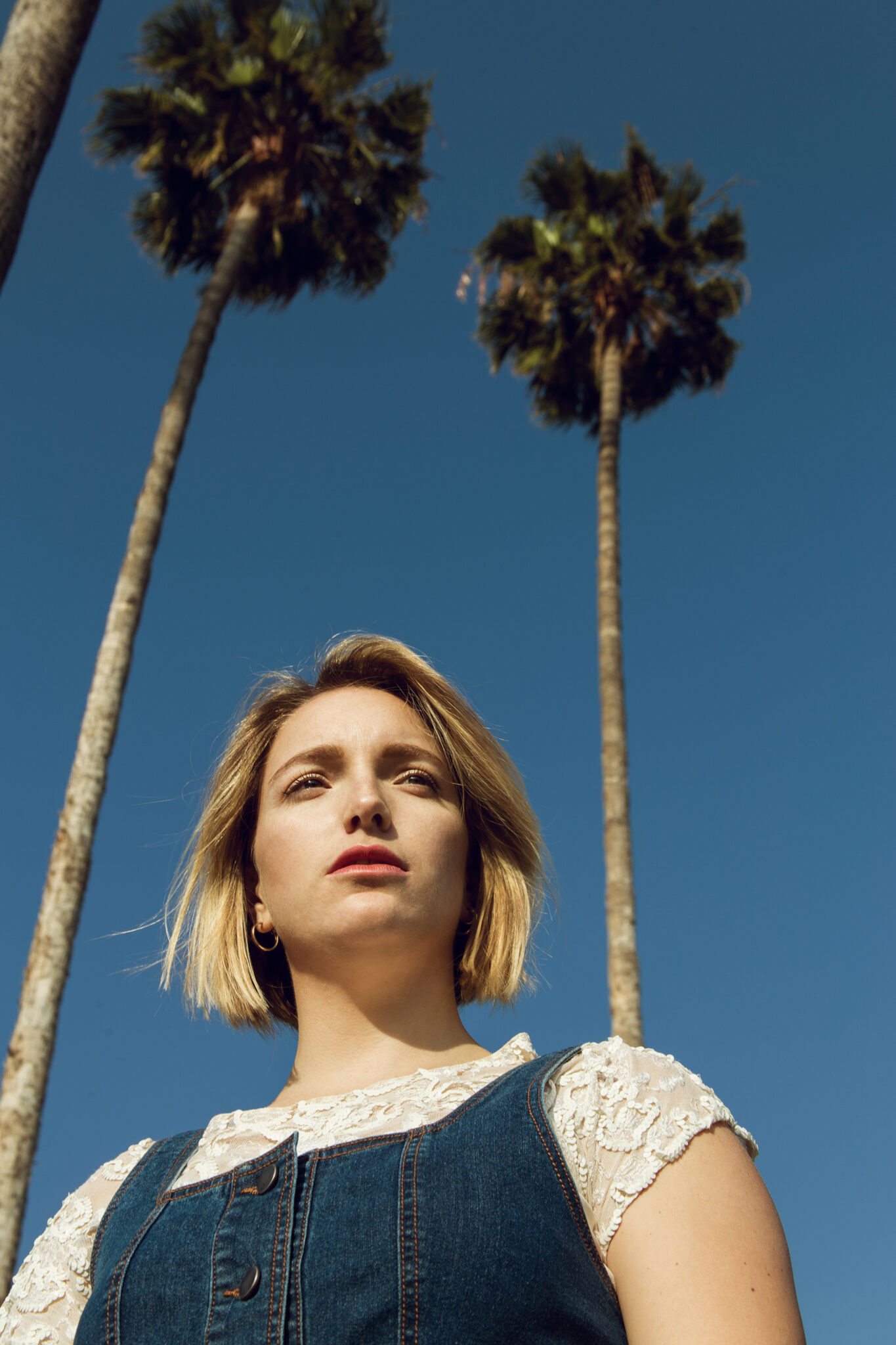
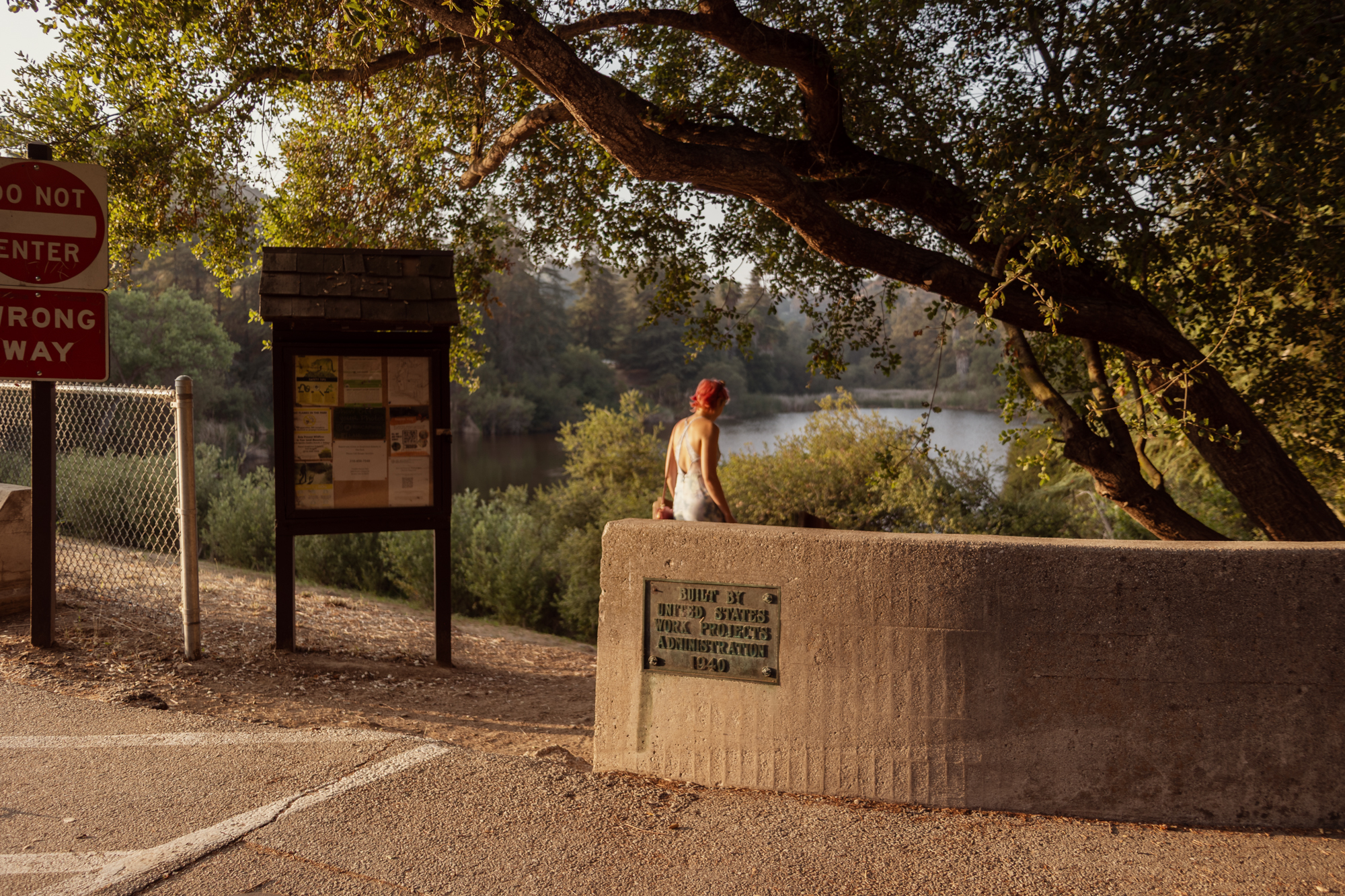
When I first started traveling to Los Angeles by myself, I was a blank slate, free of the generational and societal expectations I had lived with before. Just a small town girl, like everyone there essentially is. I had wanted to escape my surroundings, but spending time halfway across the world, I found comfort in parts of myself that I never thought I would before.

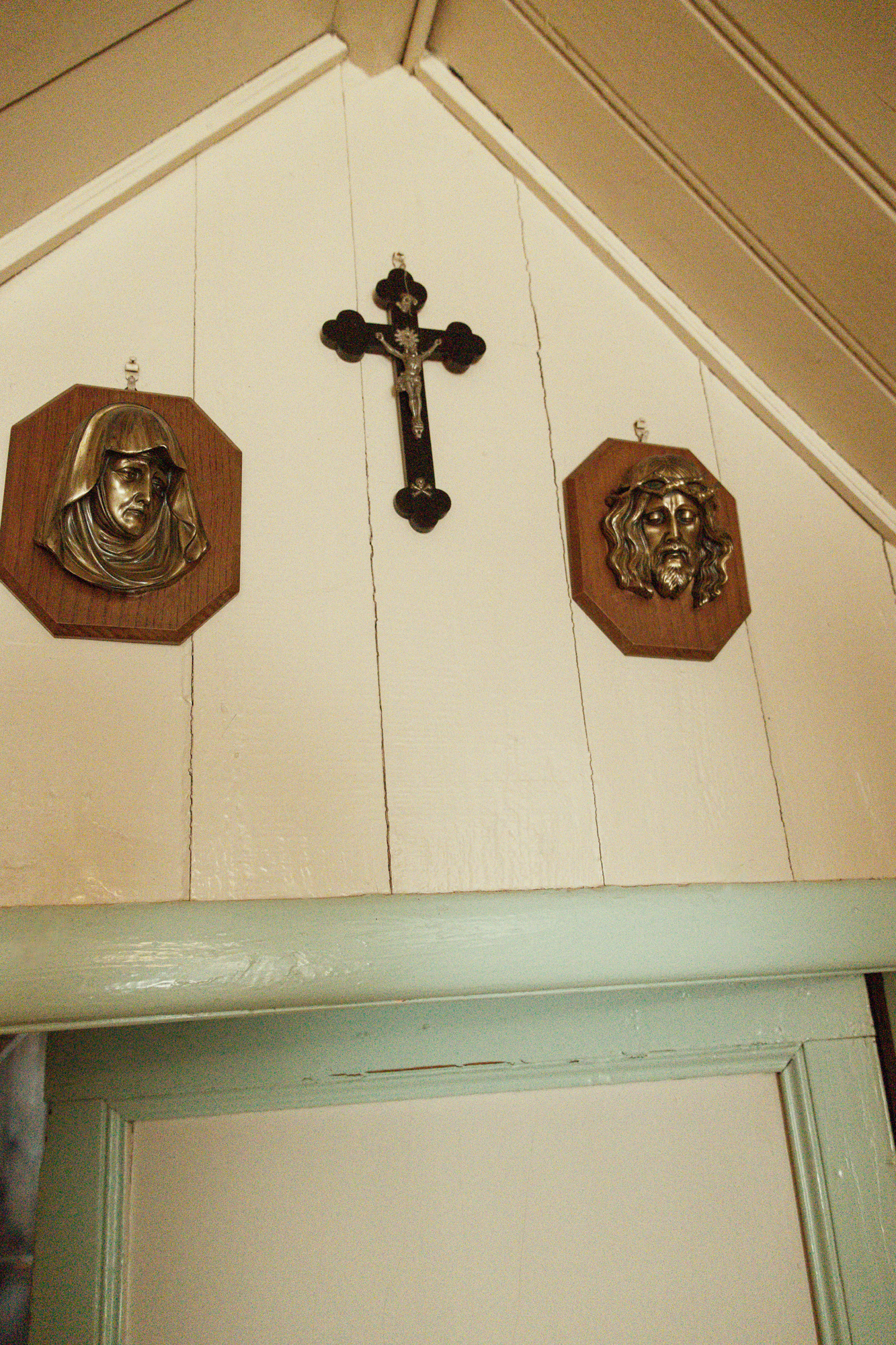
My grandma was the eldest daughter, made responsible for the siblings that came after her. Once, when her mother had a stillborn, it was my grandma’s job to bring the child to the church. I’m the eldest daughter of the eldest daughter of the eldest daughter, and it is due to my grandma’s wish for more for her daughter, that I get to figure out who I am outside of certain traditional expectations.
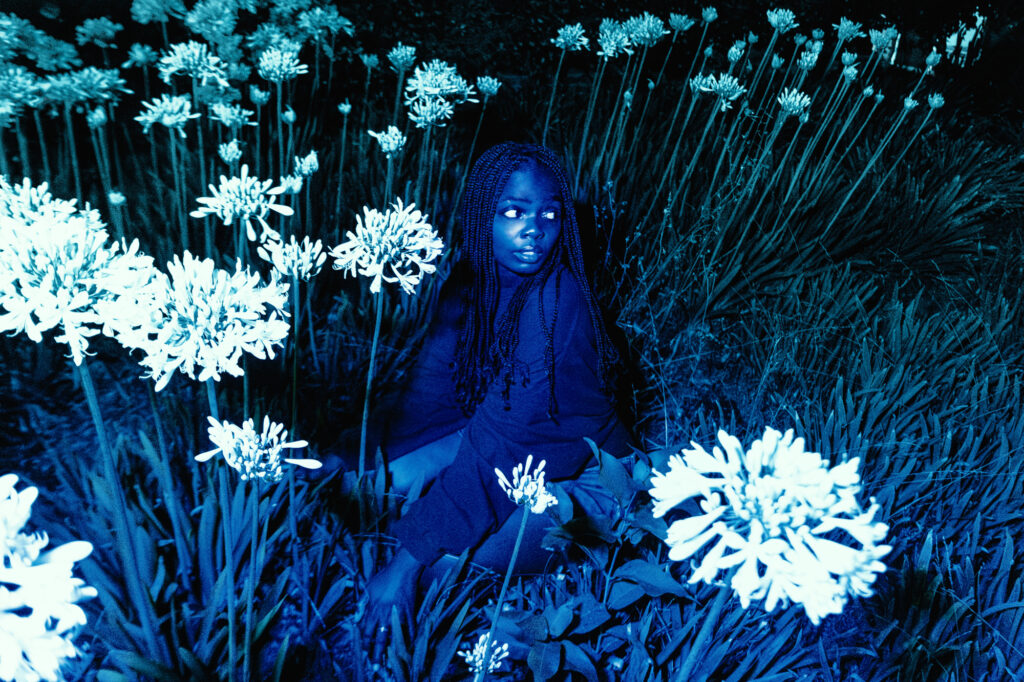
In Dutch, we have a saying to “not put your head above ground level”, and Australia calls it the “tall poppy syndrome”. The idea is to not stand out too much, as flowers that grow too high will get cut down. It does seem flowers in Los Angeles get to grow a little higher.
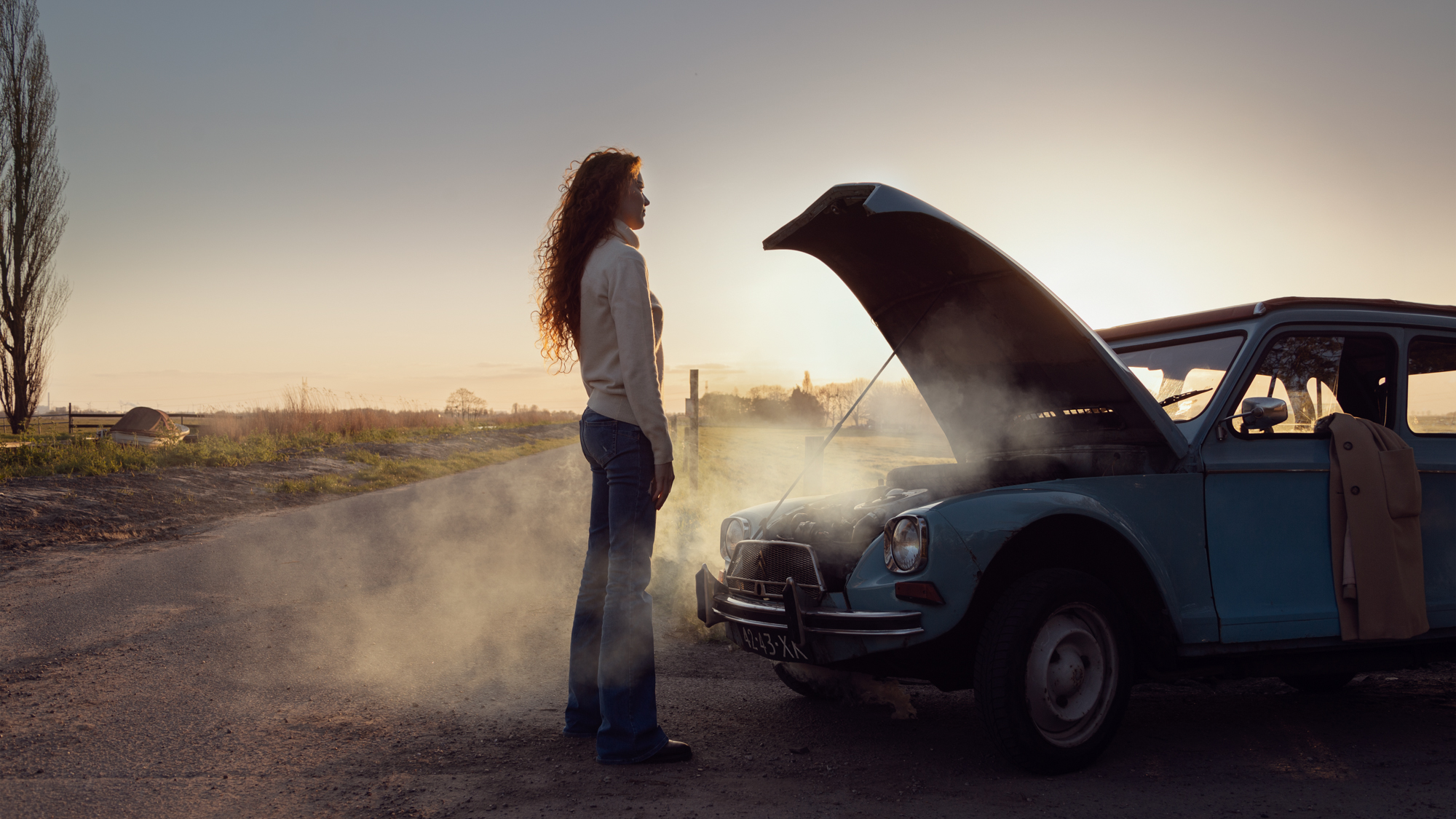
An anthology series consists of several stories, each complete in itself and distinguished from the other, but frequently tied together by their theme, premise or author. Examples of this are shows like ‘Black Mirror’ or ‘Fargo’.
The pictures in this category all tell their own story, while tied together by being about (usually) female characters struggling with emotional battles.

It starts with growing stuck in certain patterns, inherited from the generations before you, not knowing how to move into the future. Most birds leave the nest before they know how to fly. I just never learned where to go. I’ve never really belonged anywhere in particular, always finding myself in the between. I’ve learned that the best moments happen there, though.